
25 Years Later: Where I Was on September 11, 2001
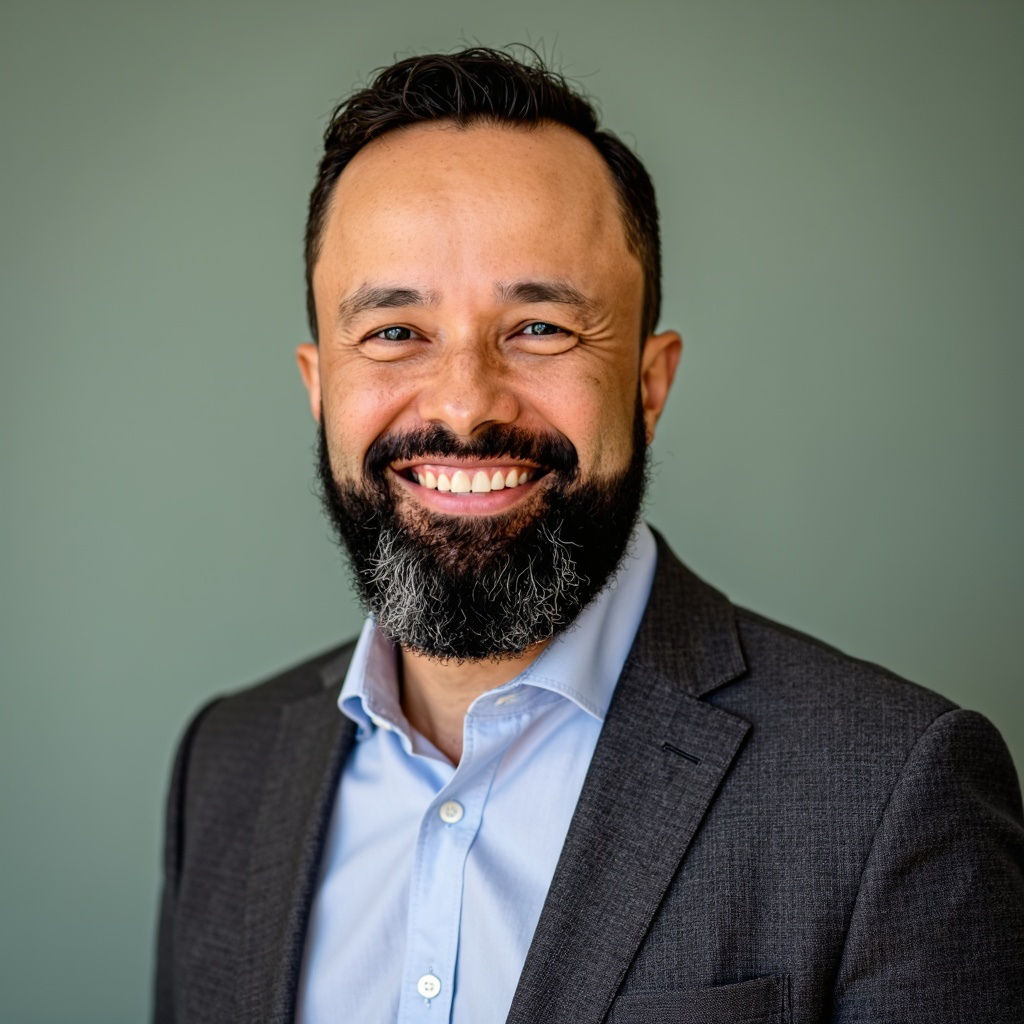
By Jaime Quiñones, U.S. Navy Chief Petty Officer (Ret.)
There are certain moments in life when you remember exactly where you were, what you were doing, and what you heard.
September 11, 2001, is one of those moments for me.
At the time, I was TM1(SW/AW) Jaime Quiñones, serving aboard the USS Harry S. Truman (CVN-75) in Weapons Department, G-2 Armory Division. Truman was homeported in Norfolk, Virginia, and had entered Norfolk Naval Shipyard just days earlier for a Planned Incremental Availability.
That Tuesday morning began like any other workday.
I was on the O3 level in the aft berthing, stripping and waxing the deck.
Then the yelling started coming down the port passageways.
“Turn on the TV! Turn on the TV! We are being attacked! We are under attack!”
We stopped what we were doing and turned on the television.
Almost immediately, we watched as the second aircraft struck the South Tower of the World Trade Center.
At that moment, there was no longer any question about what was happening.
America was under attack.
From Maintenance to a
Wartime Mindset
All hands were mustered.
Like millions of Americans, we were trying to understand what had happened, who had done it, and whether more attacks were coming.
But for those of us serving in uniform, another realization came very quickly.
Our mission had changed.
The Truman had entered Norfolk Naval Shipyard on September 5, 2001. We were supposed to be focused on maintenance, repairs, and getting the ship through its availability.
Now there was urgency behind everything.
In the days that followed, we were told to begin finishing work and preparing the ship so the dry dock could eventually be flooded and Truman could return to operational status.
We did not know exactly what would come next.
But we knew we had to be ready.
The Truman completed its six-month, approximately $110 million Planned Incremental Availability in February 2002. After sea trials, the ship entered an intensive workup cycle to prepare the crew and air wing for deployment.
During pre-deployment flight operations, Truman even established a record with 335 arrested landings in a single day.
Then, on December 5, 2002, USS Harry S. Truman departed Norfolk for its second major deployment.
Embarked with us was Carrier Air Wing THREE, a powerful mix of fighter, strike, electronic warfare, airborne early warning, sea-control, helicopter, and logistics aircraft. The air wing included F-14B Tomcats, F/A-18 Hornets, EA-6B Prowlers, E-2C Hawkeyes, S-3B Vikings, SH-60 helicopters, C-2A Greyhounds, and Marine Corps strike fighters from VMFA-115.
What had begun for me with a television being turned on in a shipyard berthing compartment was now something very different.
We were going to war.
On March 19, 2003, aircraft from Carrier Air Wing THREE launched combat missions from Truman in support of Operation Iraqi Freedom. During that deployment, the air wing would deliver more than 1.4 million pounds of ordnance against targets in Iraq.
A little more than eighteen months separated those two moments.
One moment, I was stripping and waxing a deck.
The next chapter of my service would be shaped by a nation at war.
That transition is something I will never forget.
America Changed That Day
September 11 did not simply change the military. It changed America.
Air travel changed. Airport security changed. The Transportation Security Administration was created. The Department of Homeland Security was established. Surveillance authorities expanded. Military operations began that would continue for decades.
But those of us who lived through the days immediately following 9/11 also remember something else.
For a time, America came together.
Flags appeared everywhere. They hung from houses, businesses, fire trucks, bridges, overpasses, cars, ships, and storefronts.
People gathered in churches and community centers. Strangers spoke to one another. First responders and service members were thanked wherever they went.
We were grieving. We were angry. We were uncertain about what would happen next. But we were united.
There were also painful consequences that must be remembered. Muslim Americans, Arab Americans, Sikh Americans, and others experienced discrimination and hostility in the aftermath of the attacks.
September 11 brought out extraordinary courage and unity, but remembering history also means remembering all of it.
The Numbers Were People
Nearly 3,000 innocent people were killed on September 11, 2001.
At the World Trade Center, 2,753 people died. At the Pentagon, 184 people were killed. Forty passengers and crew members aboard United Airlines Flight 93 died near Shanksville, Pennsylvania, after passengers and crew fought back against the hijackers.
Among those killed that day were 441 emergency workers, including 343 members of the FDNY.
And the human toll did not end when the smoke cleared.
Thousands more have since died from illnesses associated with exposure to the toxic dust and debris at Ground Zero.
Those numbers can never be allowed to become statistics alone.
A mother. A father. A son or daughter. A spouse. A firefighter. A police officer. A coworker. A friend.
Someone who left home that morning expecting to return.
Twenty-Five Years Later
This year marks the 25th anniversary of September 11, 2001.
That passage of time brings with it a responsibility.
An estimated 100 million to 120 million people living in the United States today have no personal memory of the attacks. Many were born after 9/11. Others were simply too young to remember.
For them, September 11 is history. For those of us who experienced it, it is memory.
That is why we need to tell the story.
Show your children and grandchildren the photographs. Tell them where you were. Tell them about the firefighters climbing those towers while thousands of people were trying to get out. Tell them about the Pentagon. Tell them about the passengers and crew aboard Flight 93 who fought back. Tell them about the first responders at Ground Zero. Tell them what America felt like on September 12.
And tell them why two words became a promise:
NEVER FORGET
Twenty-five years later, those words cannot simply be something we post on social media once a year.
We have to pass the memories forward.
I can still picture myself aboard the USS Harry S. Truman, stripping and waxing that deck.
I can still hear sailors yelling down the passageway.
“Turn on the TV!”
I can still remember watching that second aircraft strike the South Tower.
And I can still remember knowing that the America I woke up in that morning would never be the same.
The fabric of the United States changed on September 11, 2001. So did the mission for those of us wearing the uniform. And much of the country we know today was shaped by what happened that morning and everything that followed.
On this 25th anniversary, do more than remember privately.
Share the pictures. Tell the story. Teach someone who was not there.
We made a promise. It is now our responsibility to make sure the next generation understands why.
NEVER FORGET
9.11.01
We Remember. We Honor. We Carry Their Story Forward.


Comments